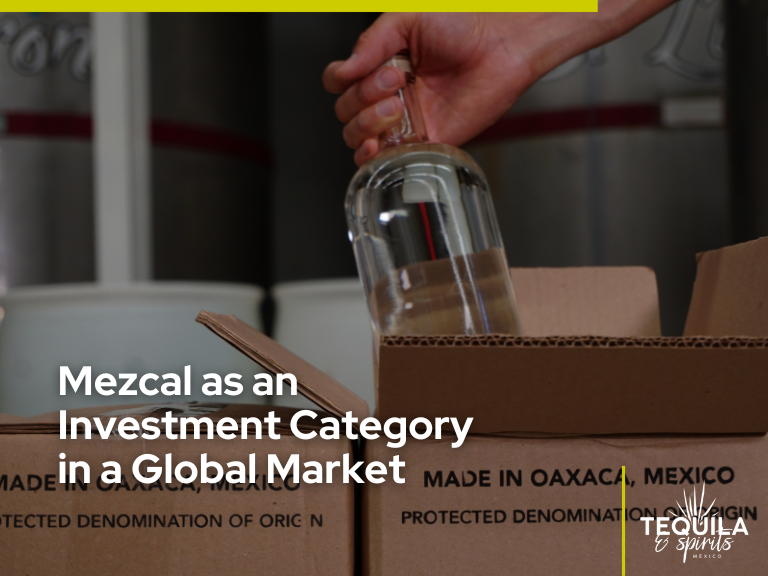
Mezcal has evolved from a regional specialty into a globally recognized category within the agave spirits landscape. Today, it represents not only cultural heritage and craftsmanship, but also a serious opportunity within the broader agave spirits investment conversation. As international demand grows, particularly in the United States, entrepreneurs and investors are increasingly evaluating mezcal as a structured, long-term business opportunity.
Understanding the agave spirits market requires more than enthusiasm for the category. It demands clarity on where demand is growing, how distribution is evolving, and what makes a business sustainable beyond its initial launch.
The U.S. Mezcal Market: From Emerging Interest to Strategic Growth
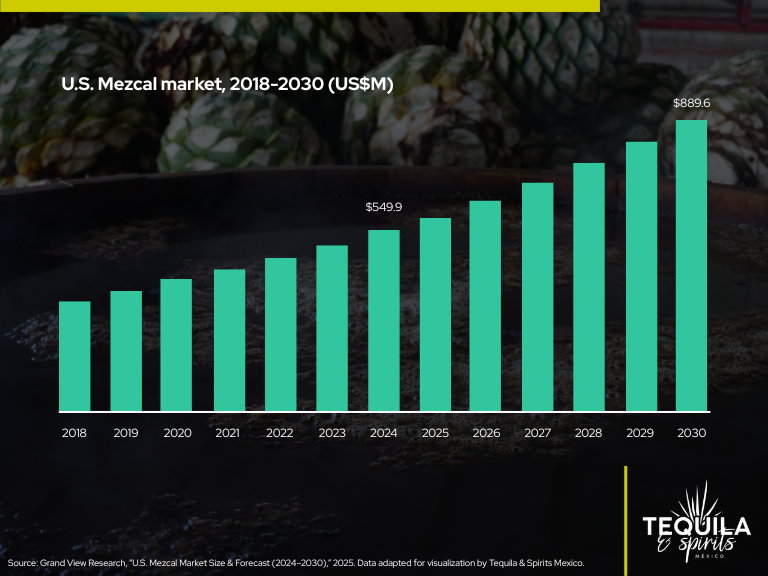
The United States continues to be the main growth driver for the mezcal market. Over the past decade, it has strengthened its presence in premium bars, high-end restaurants, and specialty retail, while gradually expanding into broader distribution channels and attracting more sophisticated buyers across the country.
Industry reports from 2025 highlight that premium agave spirits continue to outperform many traditional categories in value, reflecting a consumer preference for distinctive, high-quality products with authentic narratives. Within this context, mezcal stands out for its regional identity, artisanal production methods, and strong storytelling potential.
Why Mezcal Is Attracting Long-Term Investment
Mezcal investment is attracting attention because it sits at the intersection of premium positioning and authentic production. Unlike categories that rely heavily on marketing innovation alone, mezcal’s value proposition is embedded in its process, terroir, and production discipline.
From an investment standpoint, several factors contribute to its appeal:
- Natural premium positioning in international markets.
- Perceived scarcity and artisanal value.
- Strong storytelling opportunities tied to region and tradition.
- Growing demand among consumers seeking distinctive agave spirits.
For investors, this means offers differentiation within a competitive global spirits environment.
Working alongside experienced industry professionals can help transform market interest into a well-defined mezcal business built for stability and scalability.
What Makes a Mezcal Business Sustainable Over Time
Launching a brand is not the same as building a mezcal business that endures. Long-term success depends on making deliberate decisions around production, compliance, financial structure, and market alignment from the very beginning.
These elements are essential for a project to succeed over time:
- Right production partnership: Selecting the appropriate region and production method, and understanding denomination of origin and certification requirements, directly impacts labeling, export eligibility, and international credibility.
- Early export planning: The U.S. market demands structured logistics, federal labeling compliance, and coordination with importers and distributors. Planning for mezcal export from day one positions the project for smoother expansion.
- Traceability and consistency: As the market matures, buyers expect reliable quality and transparent sourcing. Strong quality controls and long-term production agreements protect authenticity during growth.
- Financial structure and margins: A sustainable business evaluates pricing tiers, channel selection, and cost modeling carefully. Premium positioning must be supported by operational efficiency, especially considering agave supply cycles.
Structuring a Mezcal Project with Long-Term Vision
Structuring an agave spirits project requires aligning concept, production, and market strategy from the outset. Key pillars include:
1. Define the target market with precision: Each market environment carries its own pricing expectations, margin structures, distributor dynamics, and narrative requirements. Defining the intended market context with clarity reduces friction during expansion and strengthens negotiations with importers and buyers.
2. Position the brand with credible authenticity: Mezcal’s value is rooted in origin, process, and regional identity. Translating these elements into a coherent brand story builds trust with trade partners and consumers who expect transparency, additive clarity, and production integrity.
3. Align operational capacity with growth ambition: Production planning must account for certification timelines, batch consistency, agave availability, and long-term supply agreements. Growth that outpaces operational readiness can dilute quality or compromise credibility; disciplined scaling protects both margins and reputation.
4. Design for controlled evolution: From the beginning, the project should anticipate future SKUs, limited editions, or channel-specific expressions. Expansion must reinforce the brand’s core identity, ensuring that each new release strengthens equity rather than creating confusion in the market.
Mezcal as a Sustainable Growth Opportunity
Mezcal represents a compelling opportunity within the global agave spirits investment landscape. Its appeal lies in authenticity, craftsmanship, and a growing base of informed consumers—particularly in the United States. However, opportunity in mezcal is best realized through disciplined execution.
At Tequila & Spirits Mexico, we have supported entrepreneurs and investors in structuring projects with a long-term vision, aligning production, compliance, and market strategy to build brands designed for sustainable growth.
If you are evaluating mezcal as your next investment, contact us to explore how we can help bring your project to market with confidence.

Executive President & Co-Founder of Tequila & Spirits Mexico, Elisa Romo combines strategic vision with hands-on expertise in global regulations. Passionate about agave spirits, she helps transform market trends into viable business opportunities and long-term investments.